Buy cryptotown.eu ?
We are moving the project
cryptotown.eu .
Are you interested in purchasing the domain
cryptotown.eu ?
domain@kv-gmbh.de · 0541-91531010
Buy cryptotown.eu ?
What is the difference between a regular PLC and a safety PLC?
A regular PLC (Programmable Logic Controller) is designed to control and automate industrial processes, while a safety PLC is specifically designed to ensure the safety of machinery and equipment. Safety PLCs have built-in safety functions and features, such as redundant processing, self-testing, and error checking, to ensure that they can reliably detect and respond to potentially dangerous situations. Additionally, safety PLCs are often certified to meet specific safety standards, such as SIL (Safety Integrity Level) or PL (Performance Level), to ensure their reliability in safety-critical applications. **
How does a PLC work?
A Programmable Logic Controller (PLC) works by receiving input signals from sensors or switches, processing these signals using a program written by the user, and then sending output signals to control various devices such as motors, valves, or lights. The program in the PLC determines how the input signals should be processed and what actions should be taken based on the input. This allows the PLC to automate and control a wide range of industrial processes efficiently and accurately. **
Similar search terms for Plc
Top-Angebote
Products related to Plc:
-
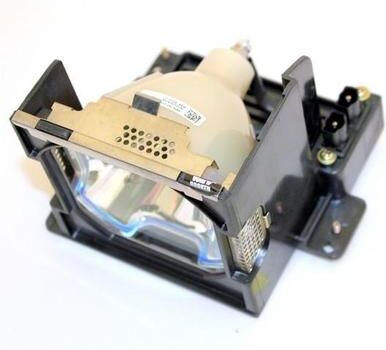
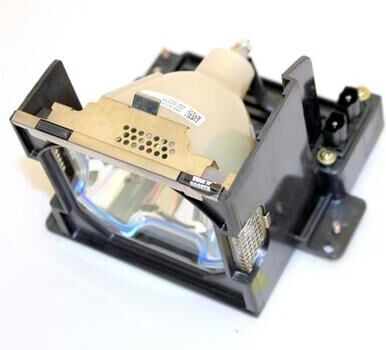
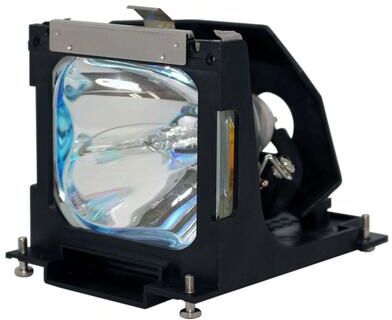
OEM Lamp & Housing for The Christie Digital PLC-XP42 Projector - 1 Year WarrantyNew Christie Digital Lamp and Housing for the following Sanyo models: PLC-XP42 Lamp Specifications Specifications Data Product Code PLC-XP42 Part Type Lamp and Housing Warranty Industry Leading 1 Year Condition New Lamp Type Christie Digital Lamp -...149,99 $*Shipping: 0,00 $Secure redirect to the provider
-
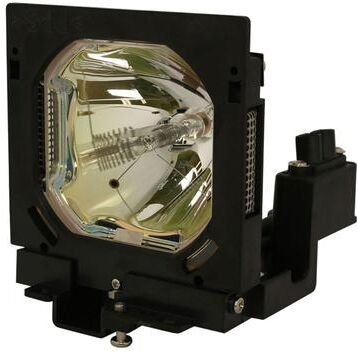
Jaspertronics™ Original Lamp & Housing for the Christie Digital PLC-EF32L Projector - 1 Year WarrantyNew Jaspertronics™ Original Lamp & Housing Module for the following Sanyo models: PLC-EF32L Lamp Specifications Specifications Data Product Code PLC-EF32L Part Type Lamp and Housing Warranty Industry Leading 1 Year Warranty Condition New Lamp Type...116,99 $*Shipping: 0,00 $Secure redirect to the provider
-
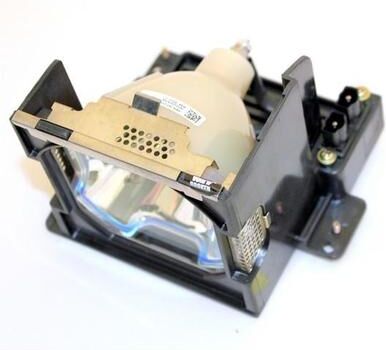
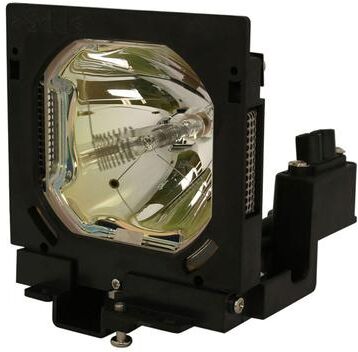
AL™ Series Lamp & Housing for the Christie Digital PLC-SU35 Projector - 90 Day WarrantyNew aftermarket Lamp and Housing for the following Sanyo models: PLC-SU35 Lamp Specifications Specifications Data Product Code PLC-SU35 Part Type Lamp and Housing Warranty 90 Days Condition New Lamp Type Genuine AL™ Series Discounts Available...44,99 $*Shipping: 0,00 $Secure redirect to the provider
-
AL™ Series Lamp & Housing for the Christie Digital PLC-EF32L Projector - 90 Day WarrantyNew aftermarket Lamp and Housing for the following Sanyo models: PLC-EF32L Lamp Specifications Specifications Data Product Code PLC-EF32L Part Type Lamp and Housing Warranty 90 Days Condition New Lamp Type Genuine AL™ Series Discounts Available...48,99 $*Shipping: 0,00 $Secure redirect to the provider
-
What is the structure of a PLC?
A PLC, or Programmable Logic Controller, typically consists of three main components: the central processing unit (CPU), input/output modules, and a power supply. The CPU is the brain of the PLC and is responsible for executing the control program. The input/output modules are used to interface the PLC with the external devices and sensors, allowing it to receive input signals and send output signals. The power supply provides the necessary electrical power to the PLC. These components are housed within a rugged and compact enclosure, designed to withstand harsh industrial environments. **
-
How can one get started with PLC programming?
To get started with PLC programming, one can begin by learning the basics of ladder logic, which is the most commonly used programming language for PLCs. There are many online resources, tutorials, and courses available that can help beginners understand the fundamentals of PLC programming. It is also helpful to practice programming on simulation software or a PLC trainer kit to gain hands-on experience. Additionally, networking with experienced PLC programmers and joining online forums or communities can provide valuable insights and support for beginners in the field. **
-
What functional groups does a PLC consist of?
A Programmable Logic Controller (PLC) typically consists of several functional groups, including input modules, output modules, central processing unit (CPU), memory, communication modules, and power supply. Input modules receive signals from sensors and switches, while output modules control actuators and devices. The CPU processes the input signals based on the program logic stored in memory and communicates with other devices through communication modules. The power supply provides the necessary voltage for the PLC to operate. **
-
How do you program a flank in PLC?
To program a flank in a PLC (Programmable Logic Controller), you typically use a specific instruction or function block provided by the PLC programming software. This instruction is usually called a "flank" or "edge" trigger and is used to detect a change in the input signal from low to high or high to low. By configuring the parameters of the flank instruction, you can specify which input signal to monitor and what type of edge (rising or falling) to trigger the desired action. Once the flank is programmed, it can be used to activate certain outputs or trigger specific logic within the PLC program based on the defined conditions. **
What is the process image in a PLC?
The process image in a PLC is a virtual representation of the physical inputs and outputs of the connected industrial processes. It is a snapshot of the current state of the inputs and outputs at a specific moment in time. The process image is used by the PLC's program to make decisions and control the connected processes. It allows the PLC to monitor and manipulate the physical processes in real-time based on the information it receives from the process image. **
What is the connection plan for the PLC?
The connection plan for the PLC involves identifying the input and output devices that need to be connected to the PLC. This includes sensors, switches, motors, and other control devices. The plan also includes determining the type of communication protocol and wiring scheme to be used for connecting the devices to the PLC. Additionally, the plan outlines the addressing and configuration of the input and output devices within the PLC programming software. Overall, the connection plan ensures that the PLC can effectively communicate and control the various devices in the system. **
Top-Angebote
Products related to Plc:
-
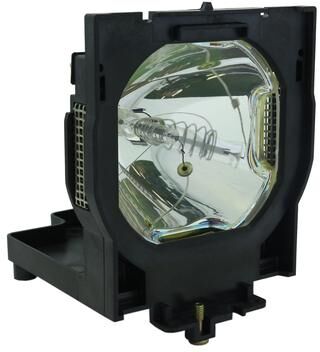
OEM Lamp & Housing for The Christie Digital PLC-XP40E Projector - 1 Year WarrantyNew Christie Digital Lamp and Housing for the following Sanyo models: PLC-XP40E Lamp Specifications Specifications Data Product Code PLC-XP40E Part Type Lamp and Housing Warranty Industry Leading 1 Year Condition New Lamp Type Christie Digital Lamp...149,99 $*Shipping: 0,00 $Secure redirect to the provider
-
OEM Lamp & Housing for The Christie Digital PLC-XP40L Projector - 1 Year WarrantyNew Christie Digital Lamp and Housing for the following Sanyo models: PLC-XP40L Lamp Specifications Specifications Data Product Code PLC-XP40L Part Type Lamp and Housing Warranty Industry Leading 1 Year Condition New Lamp Type Christie Digital Lamp...149,99 $*Shipping: 0,00 $Secure redirect to the provider
-
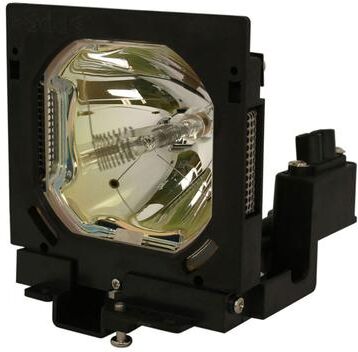
OEM Lamp & Housing for The Christie Digital PLC-XP42 Projector - 1 Year WarrantyNew Christie Digital Lamp and Housing for the following Sanyo models: PLC-XP42 Lamp Specifications Specifications Data Product Code PLC-XP42 Part Type Lamp and Housing Warranty Industry Leading 1 Year Condition New Lamp Type Christie Digital Lamp -...149,99 $*Shipping: 0,00 $Secure redirect to the provider
-
Jaspertronics™ Original Lamp & Housing for the Christie Digital PLC-EF32L Projector - 1 Year WarrantyNew Jaspertronics™ Original Lamp & Housing Module for the following Sanyo models: PLC-EF32L Lamp Specifications Specifications Data Product Code PLC-EF32L Part Type Lamp and Housing Warranty Industry Leading 1 Year Warranty Condition New Lamp Type...116,99 $*Shipping: 0,00 $Secure redirect to the provider
-
What is the difference between a regular PLC and a safety PLC?
A regular PLC (Programmable Logic Controller) is designed to control and automate industrial processes, while a safety PLC is specifically designed to ensure the safety of machinery and equipment. Safety PLCs have built-in safety functions and features, such as redundant processing, self-testing, and error checking, to ensure that they can reliably detect and respond to potentially dangerous situations. Additionally, safety PLCs are often certified to meet specific safety standards, such as SIL (Safety Integrity Level) or PL (Performance Level), to ensure their reliability in safety-critical applications. **
-
How does a PLC work?
A Programmable Logic Controller (PLC) works by receiving input signals from sensors or switches, processing these signals using a program written by the user, and then sending output signals to control various devices such as motors, valves, or lights. The program in the PLC determines how the input signals should be processed and what actions should be taken based on the input. This allows the PLC to automate and control a wide range of industrial processes efficiently and accurately. **
-
What is the structure of a PLC?
A PLC, or Programmable Logic Controller, typically consists of three main components: the central processing unit (CPU), input/output modules, and a power supply. The CPU is the brain of the PLC and is responsible for executing the control program. The input/output modules are used to interface the PLC with the external devices and sensors, allowing it to receive input signals and send output signals. The power supply provides the necessary electrical power to the PLC. These components are housed within a rugged and compact enclosure, designed to withstand harsh industrial environments. **
-
How can one get started with PLC programming?
To get started with PLC programming, one can begin by learning the basics of ladder logic, which is the most commonly used programming language for PLCs. There are many online resources, tutorials, and courses available that can help beginners understand the fundamentals of PLC programming. It is also helpful to practice programming on simulation software or a PLC trainer kit to gain hands-on experience. Additionally, networking with experienced PLC programmers and joining online forums or communities can provide valuable insights and support for beginners in the field. **
Similar search terms for Plc
-
AL™ Series Lamp & Housing for the Christie Digital PLC-SU35 Projector - 90 Day WarrantyNew aftermarket Lamp and Housing for the following Sanyo models: PLC-SU35 Lamp Specifications Specifications Data Product Code PLC-SU35 Part Type Lamp and Housing Warranty 90 Days Condition New Lamp Type Genuine AL™ Series Discounts Available...44,99 $*Shipping: 0,00 $Secure redirect to the provider
-
AL™ Series Lamp & Housing for the Christie Digital PLC-EF32L Projector - 90 Day WarrantyNew aftermarket Lamp and Housing for the following Sanyo models: PLC-EF32L Lamp Specifications Specifications Data Product Code PLC-EF32L Part Type Lamp and Housing Warranty 90 Days Condition New Lamp Type Genuine AL™ Series Discounts Available...48,99 $*Shipping: 0,00 $Secure redirect to the provider
-
AL™ Series Lamp & Housing for the Christie Digital PLC-XF40L Projector - 90 Day WarrantyNew aftermarket Lamp and Housing for the following Sanyo models: PLC-XF40L Lamp Specifications Specifications Data Product Code PLC-XF40L Part Type Lamp and Housing Warranty 90 Days Condition New Lamp Type Genuine AL™ Series Discounts Available...53,99 $*Shipping: 0,00 $Secure redirect to the provider
-
Jaspertronics™ Original Lamp & Housing for the Christie Digital PLC-EF31L Projector - 1 Year WarrantyNew Jaspertronics™ Original Lamp & Housing Module for the following Sanyo models: PLC-EF31L Lamp Specifications Specifications Data Product Code PLC-EF31L Part Type Lamp and Housing Warranty Industry Leading 1 Year Warranty Condition New Lamp Type...116,99 $*Shipping: 0,00 $Secure redirect to the provider
-
What functional groups does a PLC consist of?
A Programmable Logic Controller (PLC) typically consists of several functional groups, including input modules, output modules, central processing unit (CPU), memory, communication modules, and power supply. Input modules receive signals from sensors and switches, while output modules control actuators and devices. The CPU processes the input signals based on the program logic stored in memory and communicates with other devices through communication modules. The power supply provides the necessary voltage for the PLC to operate. **
-
How do you program a flank in PLC?
To program a flank in a PLC (Programmable Logic Controller), you typically use a specific instruction or function block provided by the PLC programming software. This instruction is usually called a "flank" or "edge" trigger and is used to detect a change in the input signal from low to high or high to low. By configuring the parameters of the flank instruction, you can specify which input signal to monitor and what type of edge (rising or falling) to trigger the desired action. Once the flank is programmed, it can be used to activate certain outputs or trigger specific logic within the PLC program based on the defined conditions. **
-
What is the process image in a PLC?
The process image in a PLC is a virtual representation of the physical inputs and outputs of the connected industrial processes. It is a snapshot of the current state of the inputs and outputs at a specific moment in time. The process image is used by the PLC's program to make decisions and control the connected processes. It allows the PLC to monitor and manipulate the physical processes in real-time based on the information it receives from the process image. **
-
What is the connection plan for the PLC?
The connection plan for the PLC involves identifying the input and output devices that need to be connected to the PLC. This includes sensors, switches, motors, and other control devices. The plan also includes determining the type of communication protocol and wiring scheme to be used for connecting the devices to the PLC. Additionally, the plan outlines the addressing and configuration of the input and output devices within the PLC programming software. Overall, the connection plan ensures that the PLC can effectively communicate and control the various devices in the system. **
* All prices are inclusive of VAT and, if applicable, plus shipping costs. The offer information is based on the details provided by the respective shop and is updated through automated processes. Real-time updates do not occur, so deviations can occur in individual cases. ** Note: Parts of this content were created by AI.